
Khao Sok and Ecotourism : How to Travel Without Harming Nature
Khao Sok and Ecotourism : How to Travel Without Harming Nature
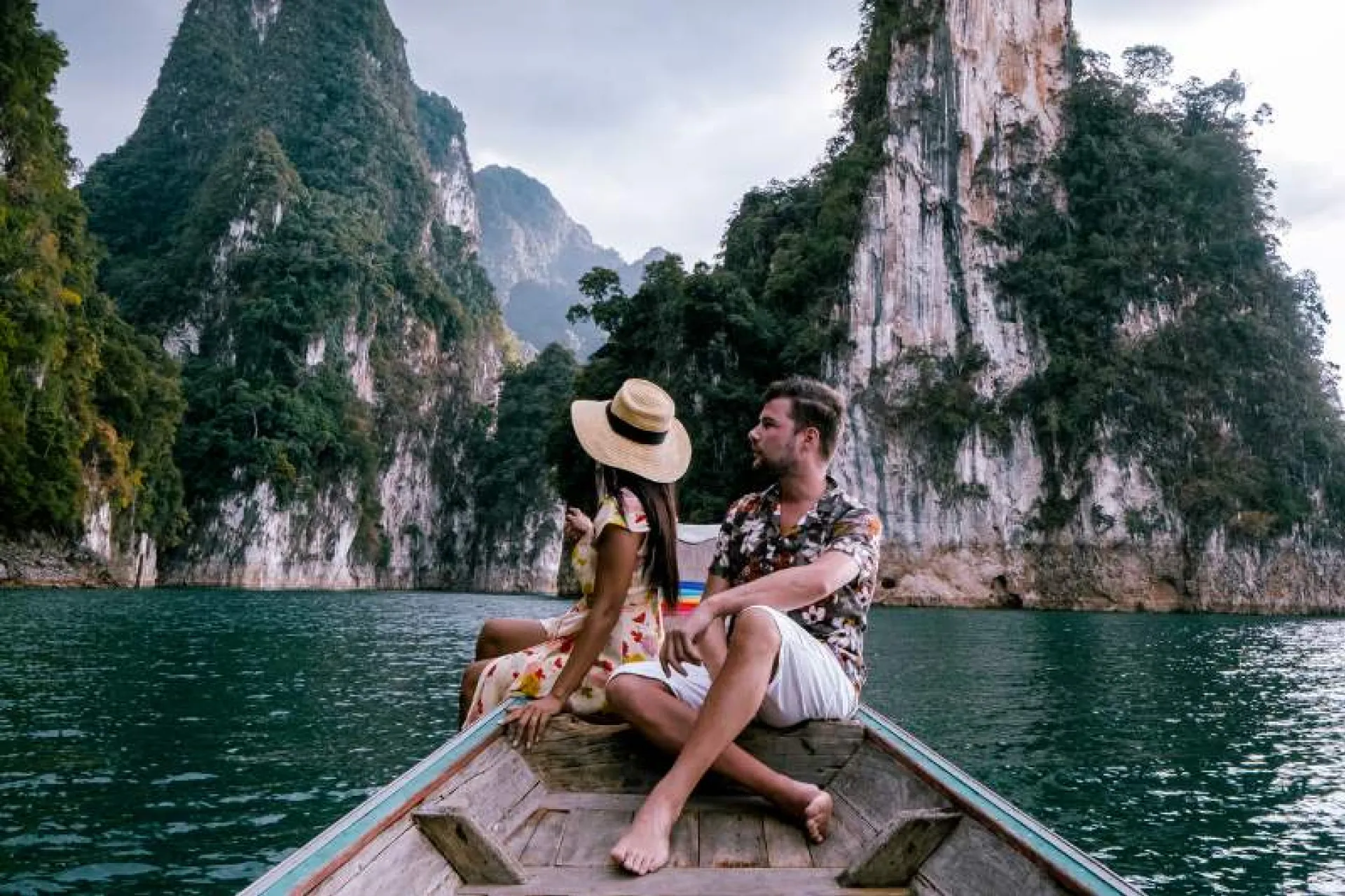
Khao Sok is one of Thailand’s most ecologically rich natural areas, home to an ancient tropical rainforest believed to be older than the Amazon. With towering limestone mountains, the stunning Cheow Lan Lake, and a well-balanced ecosystem, traveling to Khao Sok is more than just a nature getaway—it is a true example of ecotourism, where visitors play an important role in protecting the environment.
What Is Ecotourism?
Ecotourism focuses on responsible travel to natural areas, aiming to conserve the environment, respect local culture, and support local communities. The goal is to minimize negative impacts on ecosystems while creating long-term sustainability for both nature and people.
In Khao Sok, ecotourism is especially important because much of the area lies within a national park and serves as a vital watershed for southern Thailand.
Why Khao Sok Is Ideal for Ecotourism
Khao Sok has all the elements that make ecotourism possible and meaningful:
- One of the world’s oldest tropical rainforests
- Diverse wildlife and rare plant species
- Protected national park status
- Local communities closely connected to nature and traditional lifestyles
These factors make responsible tourism essential to preserving Khao Sok’s natural balance.
How to Visit Khao Sok Without Damaging Nature
1. Respect National Park Rules
Rules and regulations are designed to protect the environment. Visitors should strictly follow them, such as:
- Staying on designated trails
- Not collecting plants, animals, or natural objects
- Avoiding loud noises that may disturb wildlife
2. Reduce Plastic Use and Waste
Avoid single-use plastics such as plastic bags, bottles, and straws. Bring reusable water bottles and always take your trash with you. Leaving no trace is a core principle of ecotourism.
3. Choose Eco-Friendly Accommodation and Services
Many accommodations in Khao Sok are designed to blend into nature and focus on sustainable practices, such as responsible waste management and energy conservation. Supporting these businesses encourages sustainable tourism.
4. Participate in Activities Responsibly
Popular activities like jungle trekking, bamboo rafting, kayaking, and wildlife observation should be done with licensed guides or park officials. This ensures safety and minimizes environmental impact.
5. Do Not Feed Wild Animals
Feeding wildlife can alter their natural behavior and harm the ecosystem. Observe animals from a safe distance without interfering.
The Role of Travelers in Conservation
Travelers are not just visitors—they are part of the tourism ecosystem. Responsible behavior helps protect nature and ensures that Khao Sok’s beauty can be enjoyed by future generations.
Traveling slowly, learning about nature, and respecting local rules turn tourism into a positive force rather than a burden on the environment.
Khao Sok as a Model of Sustainable Tourism
Khao Sok demonstrates how tourism and conservation can coexist. When travelers, local communities, and tourism operators work together, natural areas can remain beautiful and healthy over the long term.
Summary
Visiting Khao Sok is not only about experiencing breathtaking forests, mountains, and lakes—it is about learning how to coexist with nature respectfully. Ecotourism is the key to preserving Khao Sok as a paradise for nature lovers and a sustainable destination for Thailand’s future.
By traveling responsibly, every visitor can help ensure that Khao Sok remains pristine, peaceful, and inspiring for generations to come.